
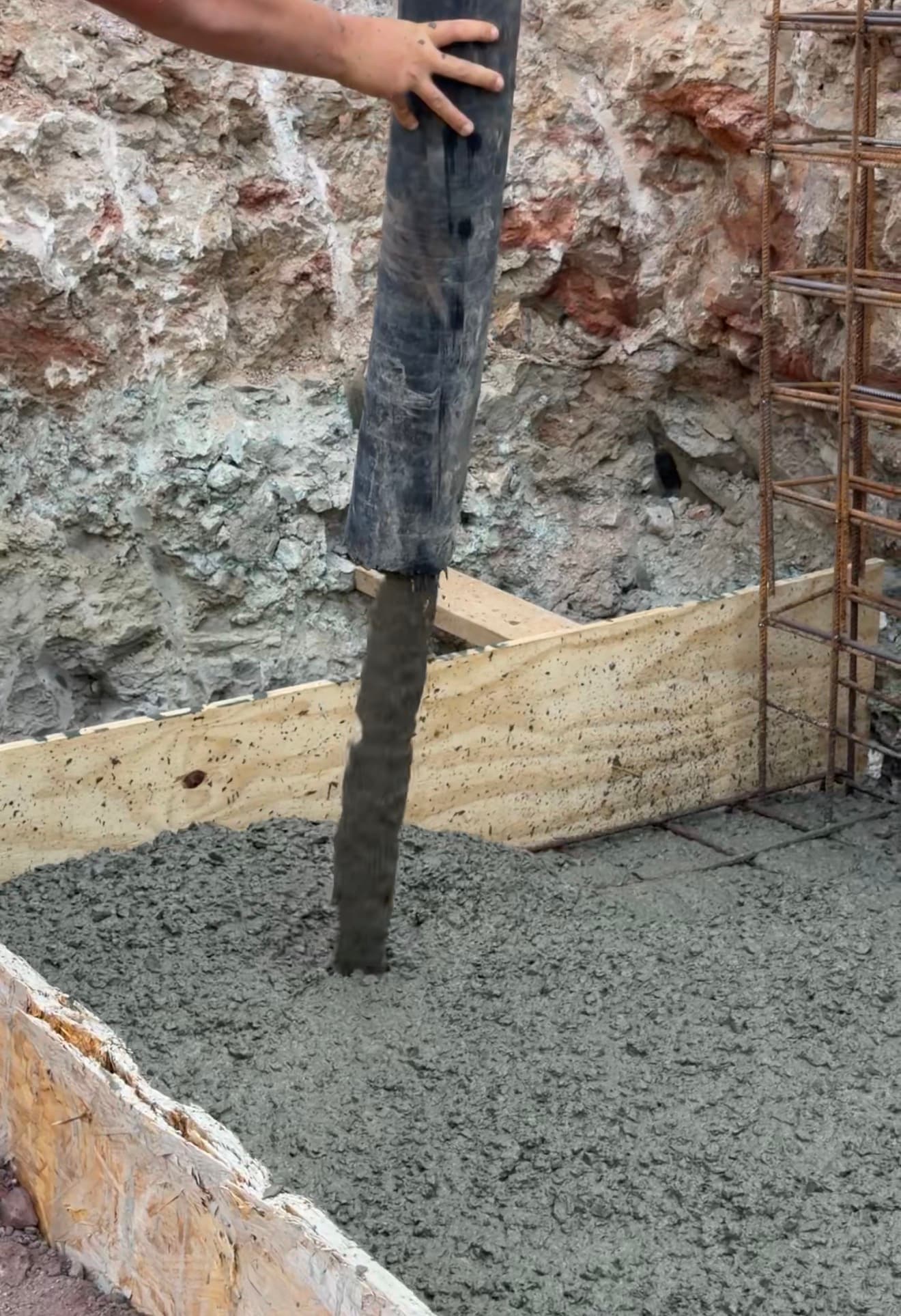
A simple guide to measuring length, width and depth before ordering concrete for your project. This guide explains the key points in plain English, with practical advice for projects across Bristol and the surrounding areas.
Start with the shape of the area
For most slabs, bases and footings, the starting point is length, width and depth. Keep all measurements in the same unit before converting the final figure into cubic metres.
If the area is not a simple rectangle, split it into smaller sections and calculate each one separately. This is often easier than trying to estimate the whole shape in one go.
Add a practical allowance
Sites are rarely perfect. Uneven ground, small changes in depth and spillage can all affect the final amount, so adding a 5-10% allowance usually gives a more practical ordering figure.
That allowance can help avoid a short load, especially on domestic projects where the base may vary slightly once the ground has been prepared.
Ask before you book
If the area is an awkward shape or the depth changes, send the details over. Bristol Concrete & Pumping can help sense-check the volume before you confirm your quote.
Photos, rough measurements and access notes are all useful. They give the team a clearer idea of the job and help make the quote more practical.